Understanding the Meaning of “Research-Only”
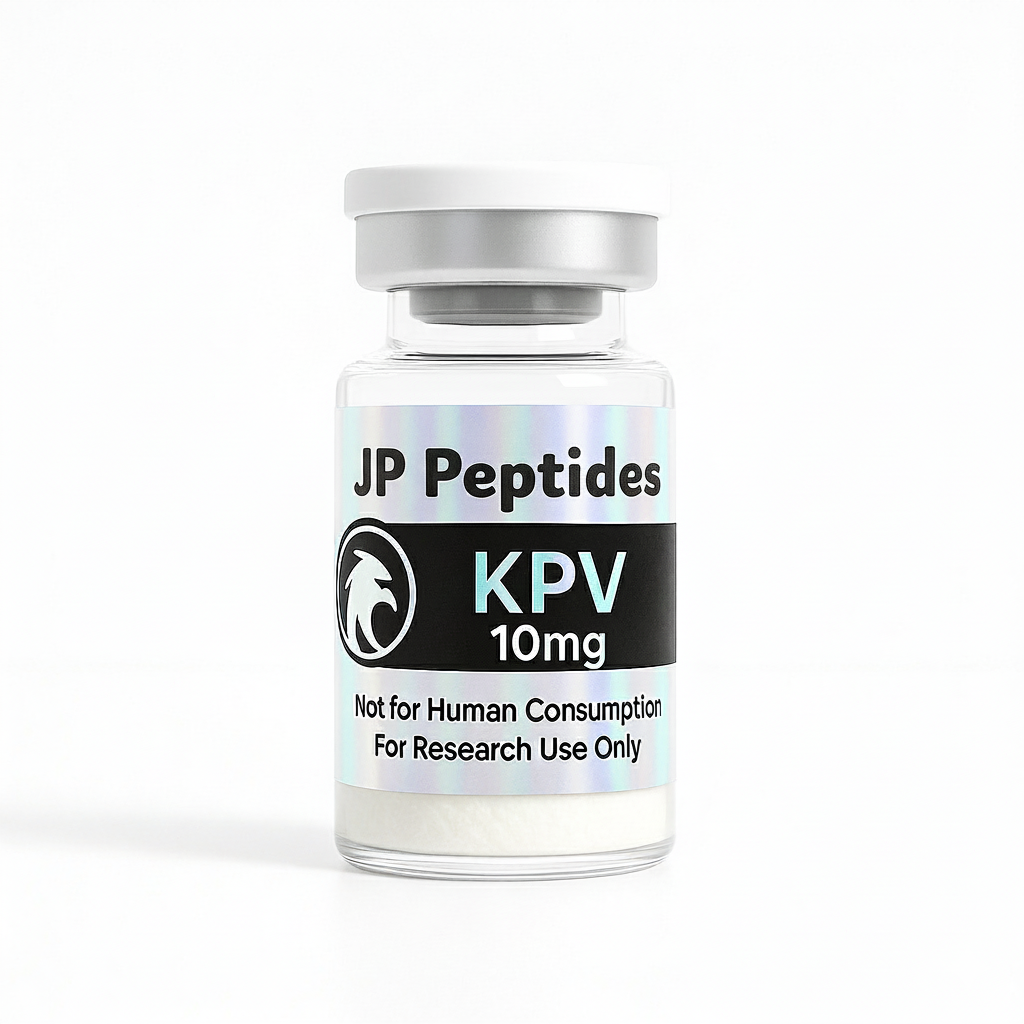
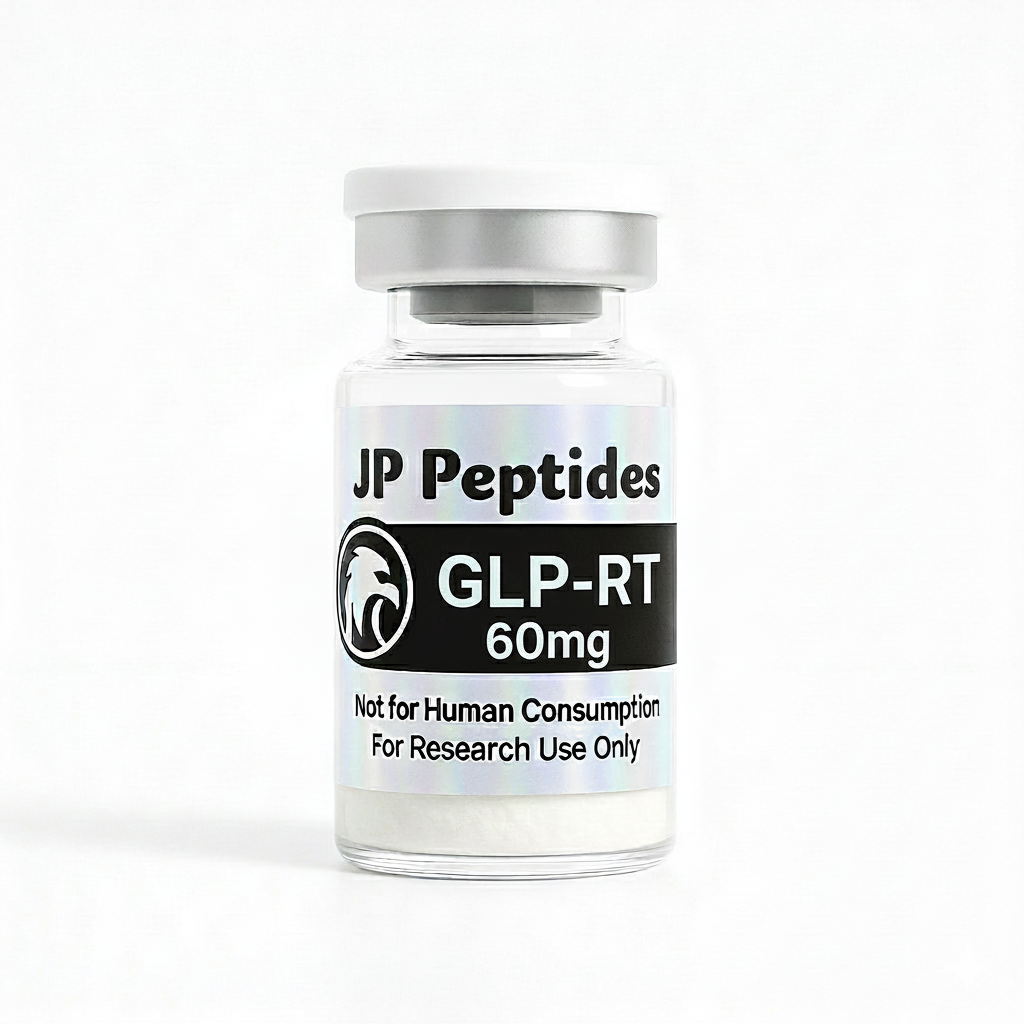
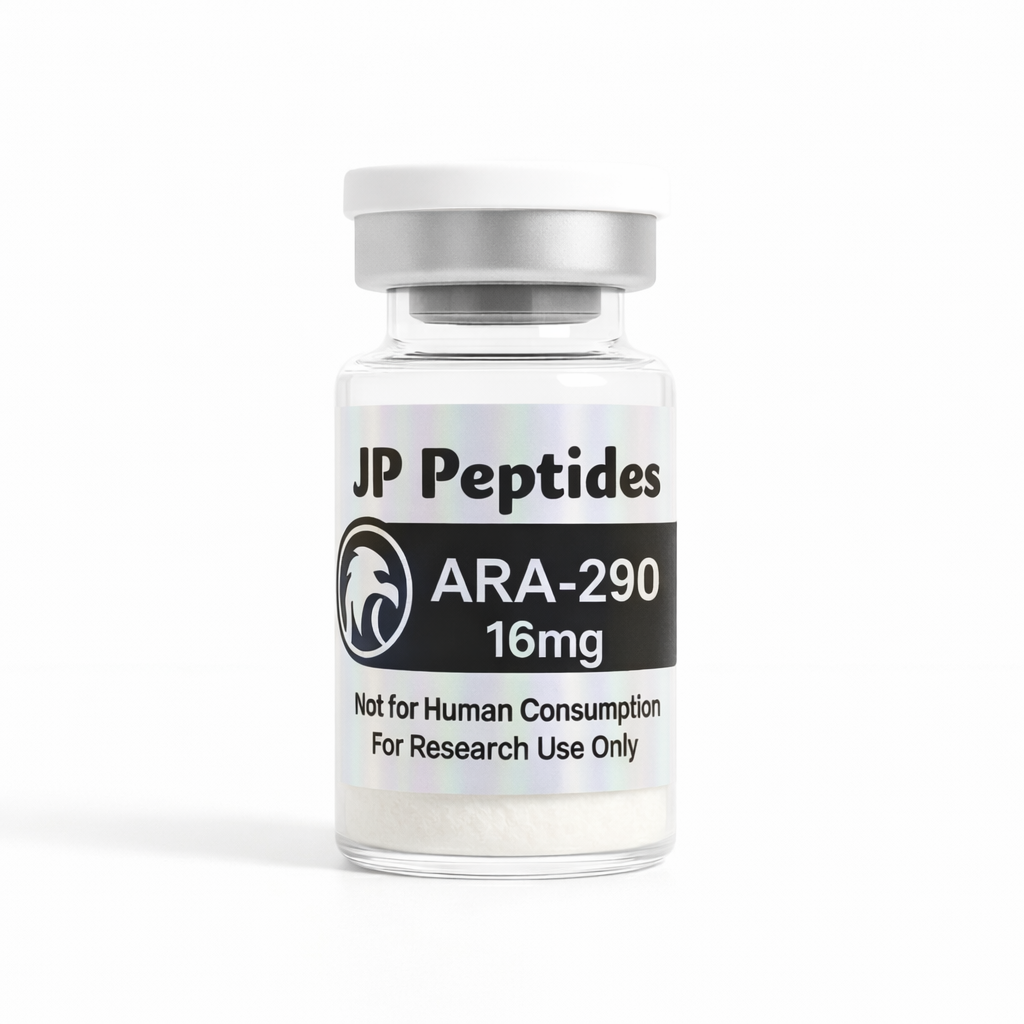
In the peptide industry, the phrase “research-only” carries significant weight. It clearly defines how products are intended to be used, how they are marketed, and how they are distributed. Research-only peptides are sold strictly for laboratory, analytical, and experimental research purposes and are not approved for human consumption.
This distinction exists to protect both the scientific community and the public. Ethical suppliers respect these boundaries and communicate them clearly in all aspects of their operations.
Why Ethical Standards Matter in Peptide Research
Ethical standards are foundational to credible scientific research. When materials are misrepresented or sold without clear boundaries, the integrity of research — and the reputation of the industry — can be compromised.
Strong ethical practices:
- Protect researchers from liability and misinformation
- Preserve the legitimacy of scientific work
- Support transparency and accountability
- Prevent misuse and misrepresentation
Reputable peptide suppliers understand that ethics are not optional; they are essential.
The Legal and Regulatory Landscape
Research peptides occupy a unique regulatory space. While they are not pharmaceuticals, they are still subject to laws governing labeling, marketing, and intended use.
Responsible suppliers:
- Clearly label products as research-only
- Avoid language implying medical or therapeutic use
- Do not provide dosage or administration guidance
- Require informed purchasers
Compliance protects both the supplier and the research community as a whole.
Ethical Marketing vs Misleading Claims
One of the clearest indicators of a trustworthy peptide supplier is how they market their products.
Ethical Marketing Practices Include:
- Clear research-only disclaimers
- Educational, non-promotional content
- Transparent testing documentation
- Accurate, restrained language
Red Flags in Marketing:
- Health or performance claims
- Testimonials implying personal use
- Before-and-after narratives
- Dosage discussions outside research context
Ethical suppliers focus on education, not persuasion.
Why Reputable Suppliers Avoid Medical Claims
Medical claims create legal and ethical risks. They also undermine the scientific process by presenting unverified outcomes as facts.
Responsible suppliers understand that:
- Research peptides are not approved treatments
- Outcomes vary widely depending on experimental design
- Scientific conclusions require controlled study and peer review
Avoiding medical claims protects researchers and preserves scientific credibility.
The Role of Documentation in Ethical Compliance
Documentation is a cornerstone of ethical peptide distribution. Proper documentation ensures transparency and accountability at every stage of the supply chain.
Key documents include:
- Batch-specific Certificates of Analysis (COAs)
- Clear labeling with lot numbers
- Transparent sourcing information
Documentation allows researchers to verify material quality and maintain accurate records.
Informed Purchasing and Research Responsibility
Ethical peptide sales require informed buyers. Reputable suppliers assume their customers understand laboratory research standards and responsibilities.
This includes:
- Proper handling and storage
- Compliance with institutional guidelines
- Ethical experimental design
Suppliers that prioritize informed purchasing contribute to a responsible research environment.
How Ethical Standards Protect the Research Community
Ethical boundaries protect more than individual researchers — they protect the entire research ecosystem. Clear standards:
- Reduce regulatory scrutiny
- Promote industry legitimacy
- Encourage responsible innovation
- Support long-term research access
When suppliers and researchers operate responsibly, the industry remains sustainable.
Consequences of Ignoring Research-Only Standards
Suppliers that ignore ethical boundaries risk:
- Legal consequences
- Loss of credibility
- Industry-wide restrictions
- Harm to legitimate research efforts
Short-term gains from unethical practices often result in long-term damage.
JP Peptides’ Commitment to Ethical Research Standards
At JP Peptides, ethical compliance is central to everything we do. Our commitment includes:
- Strict research-only product designation
- Clear, transparent documentation
- Third-party testing and verification
- No medical or therapeutic claims
We believe responsible research begins with responsible sourcing.
Why Ethical Suppliers Matter for Long-Term Research
Research thrives in environments built on trust, transparency, and accountability. Ethical suppliers support:
- Consistent access to research materials
- Reproducible scientific work
- Confidence in sourcing decisions
Choosing an ethical supplier is an investment in the future of research.
Conclusion
“Research-only” is not a marketing phrase — it is a professional and ethical standard. Understanding and respecting this designation protects researchers, suppliers, and the integrity of scientific exploration.
By working with suppliers committed to ethical practices and compliance, researchers can focus on meaningful, responsible scientific discovery without unnecessary risk.
We’re committed to quality, reliability, and your satisfaction—making every shopping experience easy, convenient, and trustworthy.
— Emma Larson