Why Choosing the Right Peptide Supplier Matters
In scientific research, the integrity of your materials is just as important as the design of your experiment. Even the most well-planned research can be compromised by inconsistent or poorly documented inputs. When working with peptides, supplier quality plays a critical role in determining experimental reliability and reproducibility.
A trustworthy research peptide supplier provides more than just a product. They provide documentation, transparency, consistency, and accountability. Without these elements, researchers risk introducing uncontrolled variables that can undermine data quality.
Transparency as the Foundation of Trust
Transparency is one of the clearest indicators of a reputable research peptide supplier. Ethical suppliers openly share information about their products rather than relying on vague marketing language.
Key transparency indicators include:
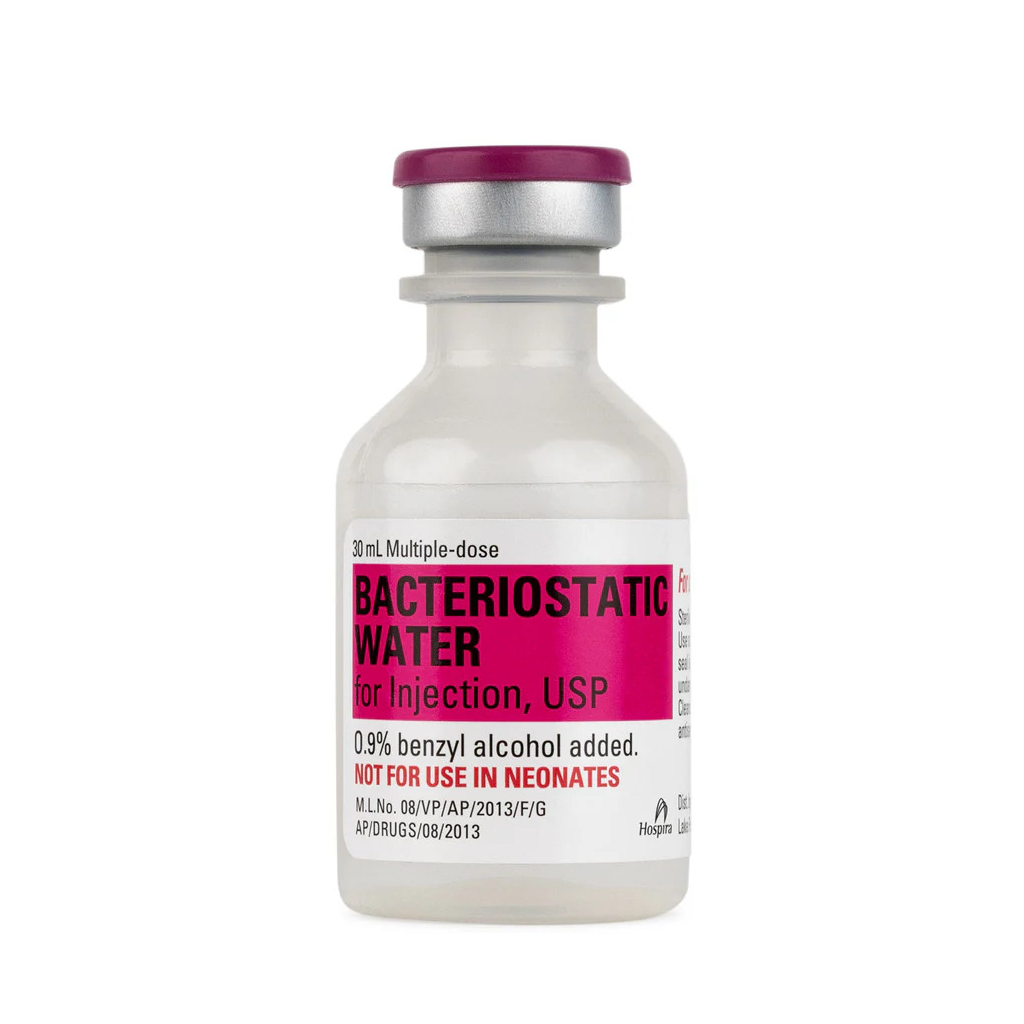
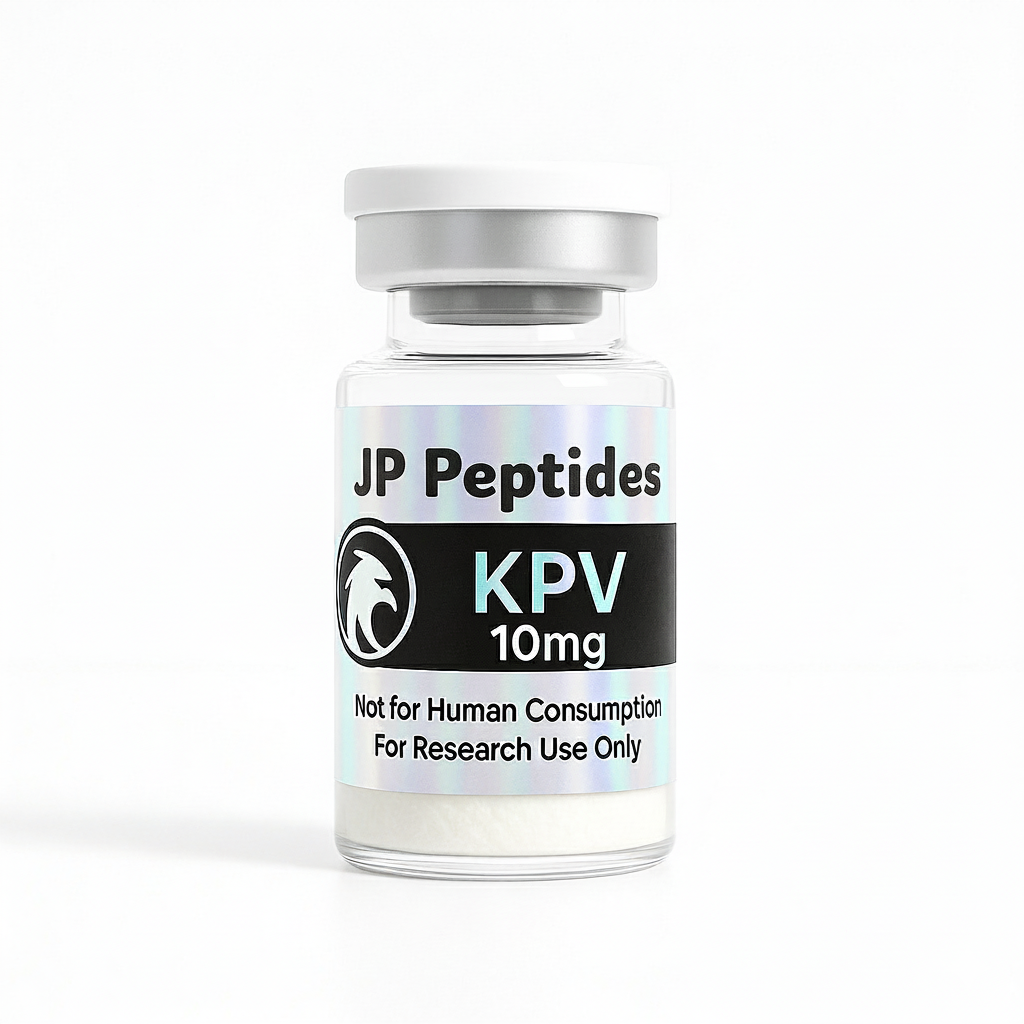
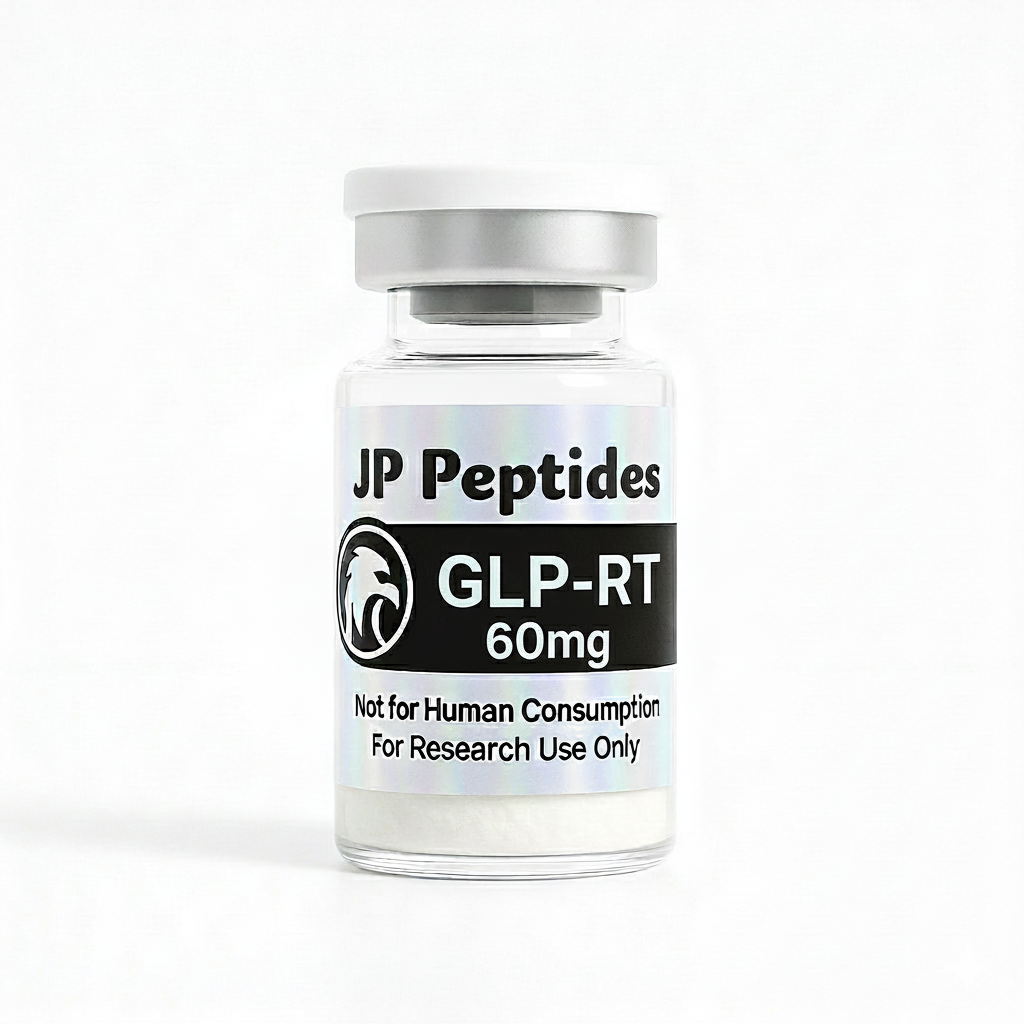
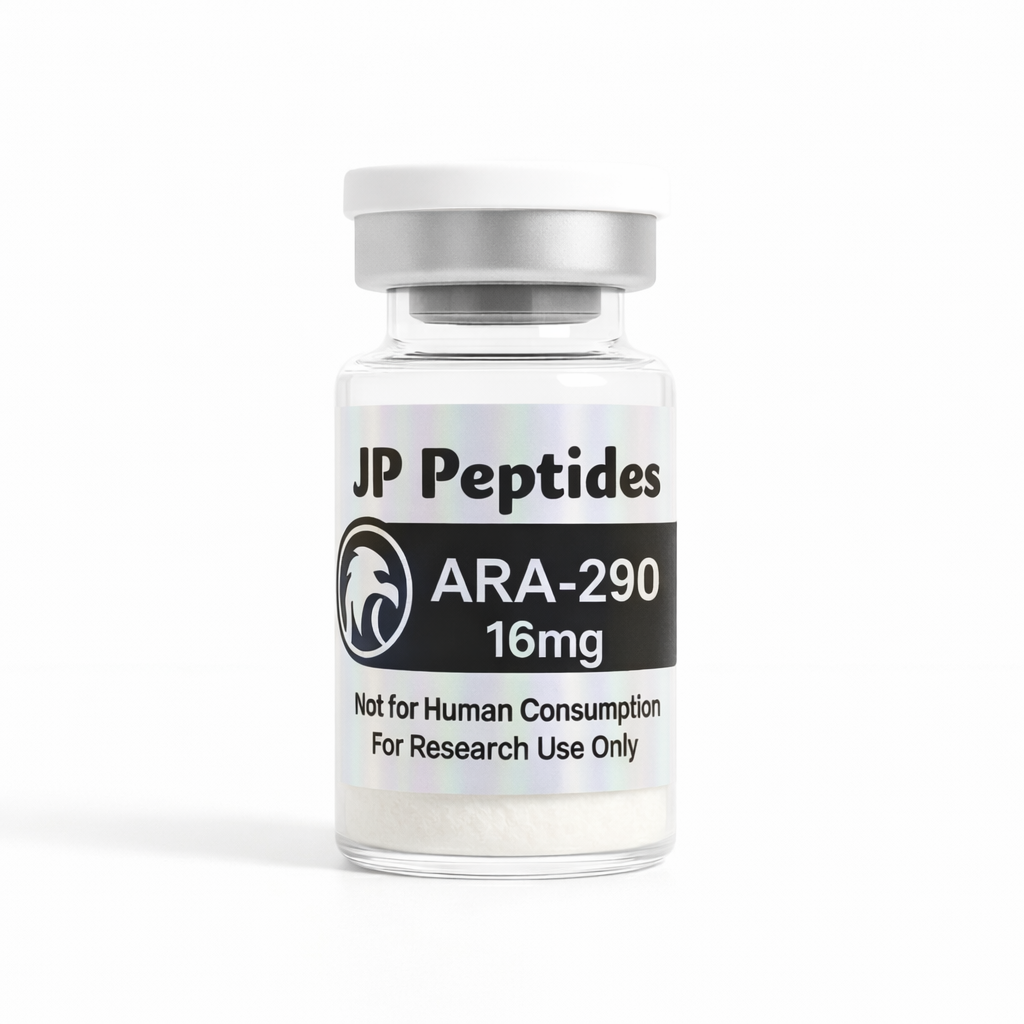
- Clear labeling of peptide identity and quantity
- Batch or lot numbers tied to each product
- Public access to third-party testing results
- Straightforward research-only disclaimers
If a supplier is unwilling to provide basic documentation, it is a strong signal to proceed with caution.
The Importance of Third-Party Testing and COAs
Independent laboratory testing is essential in peptide research. Third-party testing verifies that a peptide matches its stated identity and purity and has not been misrepresented.
A legitimate Certificate of Analysis (COA) typically includes:
- Peptide name and sequence confirmation
- Purity percentage
- Analytical methods used (such as HPLC)
- Lot or batch number
- Date of testing
Suppliers that provide batch-specific COAs demonstrate accountability and confidence in their sourcing.
Understanding Purity Claims and Testing Methods
Purity is one of the most frequently advertised attributes of research peptides, yet it is also one of the most misunderstood.
Reputable suppliers:
- Clearly explain how purity is measured
- Avoid unrealistic claims such as “100% pure”
- Use recognized analytical techniques
Researchers should view purity claims in context and prioritize documented testing over marketing language.
Batch Consistency and Traceability
Batch-to-batch consistency is critical for reproducible research. Reputable suppliers track each production lot and maintain traceability throughout their supply chain.
Traceability allows researchers to:
- Reference specific batches in documentation
- Replicate experiments using identical materials
- Identify and resolve discrepancies
Suppliers without batch tracking make long-term research consistency difficult.
Ethical Marketing and Research-Only Language
One of the clearest signs of a legitimate research peptide supplier is their commitment to ethical marketing. Responsible suppliers clearly state that their products are intended strictly for research use only and avoid making medical, therapeutic, or performance claims.
Red flags include:
- Claims related to human use or health outcomes
- Dosage discussions outside a research context
- Testimonials implying personal use
Ethical suppliers protect both the researcher and the integrity of the research environment.
Packaging, Handling, and Stability Standards
High-quality peptides require careful packaging and handling. Proper packaging helps preserve stability and prevent degradation during shipping and storage.
Indicators of professional packaging include:
- Lyophilized (freeze-dried) peptide format
- Secure, moisture-resistant vials
- Protective shipping materials
Suppliers that invest in packaging demonstrate an understanding of peptide stability and research needs.
Shipping Reliability and Fulfillment Practices
Shipping reliability is an often-overlooked factor in supplier evaluation. Delays, temperature fluctuations, or poor handling can compromise research timelines and material integrity.
Reliable suppliers typically offer:
- Prompt order processing
- Clear shipping timelines
- Secure domestic fulfillment when possible
Consistent fulfillment practices reflect operational professionalism.
Customer Support and Communication
Responsive customer support is a strong indicator of supplier reliability. Research suppliers should be able to answer questions related to:
- Documentation and COAs
- Shipping and handling
- Product specifications
Clear, professional communication reflects a supplier’s commitment to long-term researcher relationships rather than short-term sales.
Red Flags to Watch For When Evaluating Suppliers
Researchers should exercise caution when encountering suppliers that:
- Refuse to provide testing documentation
- Use vague or exaggerated purity claims
- Make medical or therapeutic statements
- Lack clear business transparency
These warning signs often indicate inadequate quality control or unethical practices.
Building Long-Term Research Partnerships
The best research peptide suppliers focus on long-term relationships rather than transactional sales. Consistency, transparency, and reliability are essential for researchers conducting ongoing or repeat studies.
Establishing a dependable supplier partnership reduces uncertainty and supports efficient research workflows.
JP Peptides’ Approach to Supplier Integrity
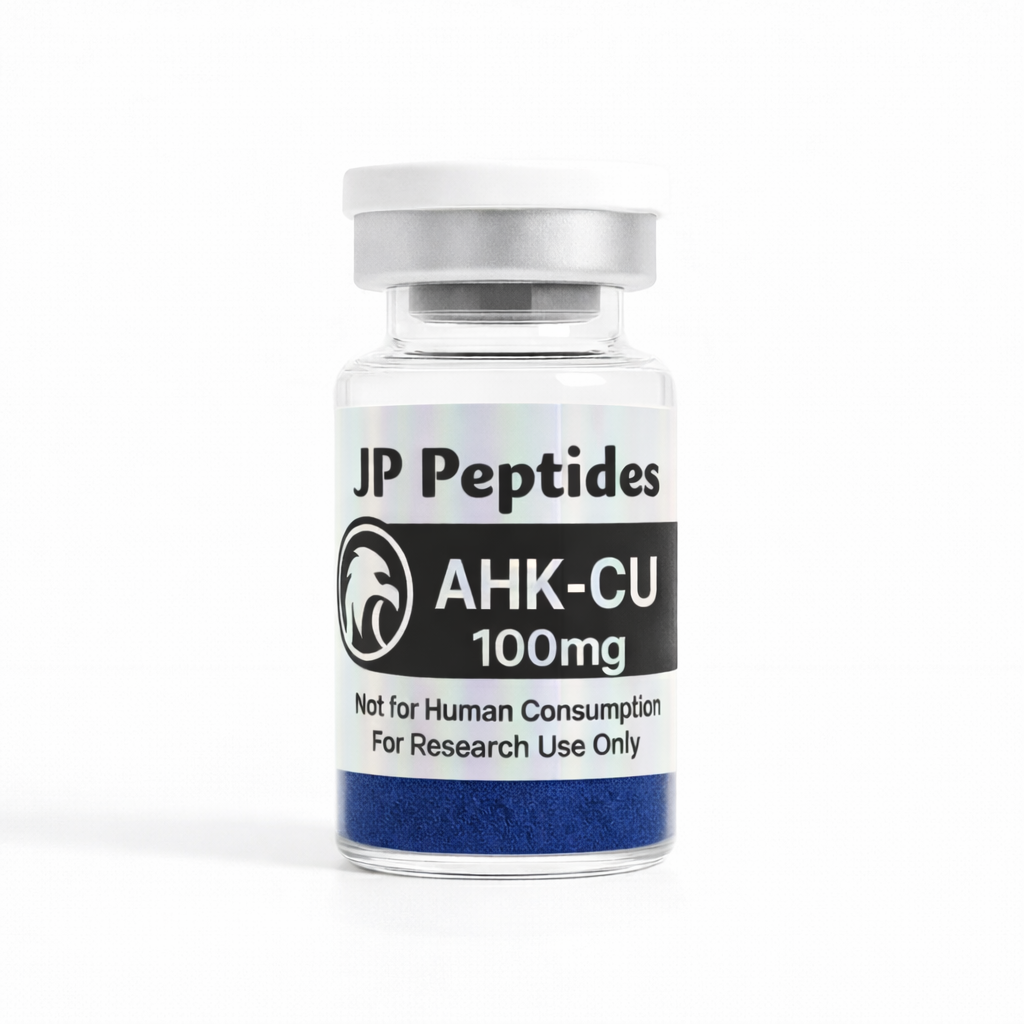
At JP Peptides, supplier integrity is central to our mission. We focus on:
- Third-party tested research peptides
- Clear batch documentation
- Ethical, research-only standards
- Reliable U.S.-based fulfillment
Our goal is to provide researchers with dependable materials backed by transparency and consistency.
Conclusion
Evaluating a research peptide supplier requires more than comparing prices or product lists. Documentation, transparency, ethical standards, and operational reliability are critical factors that directly influence research outcomes.
By understanding what to look for — and what to avoid — researchers can make informed sourcing decisions that support accurate, reproducible scientific work.
We’re committed to quality, reliability, and your satisfaction—making every shopping experience easy, convenient, and trustworthy.
— Emma Larson