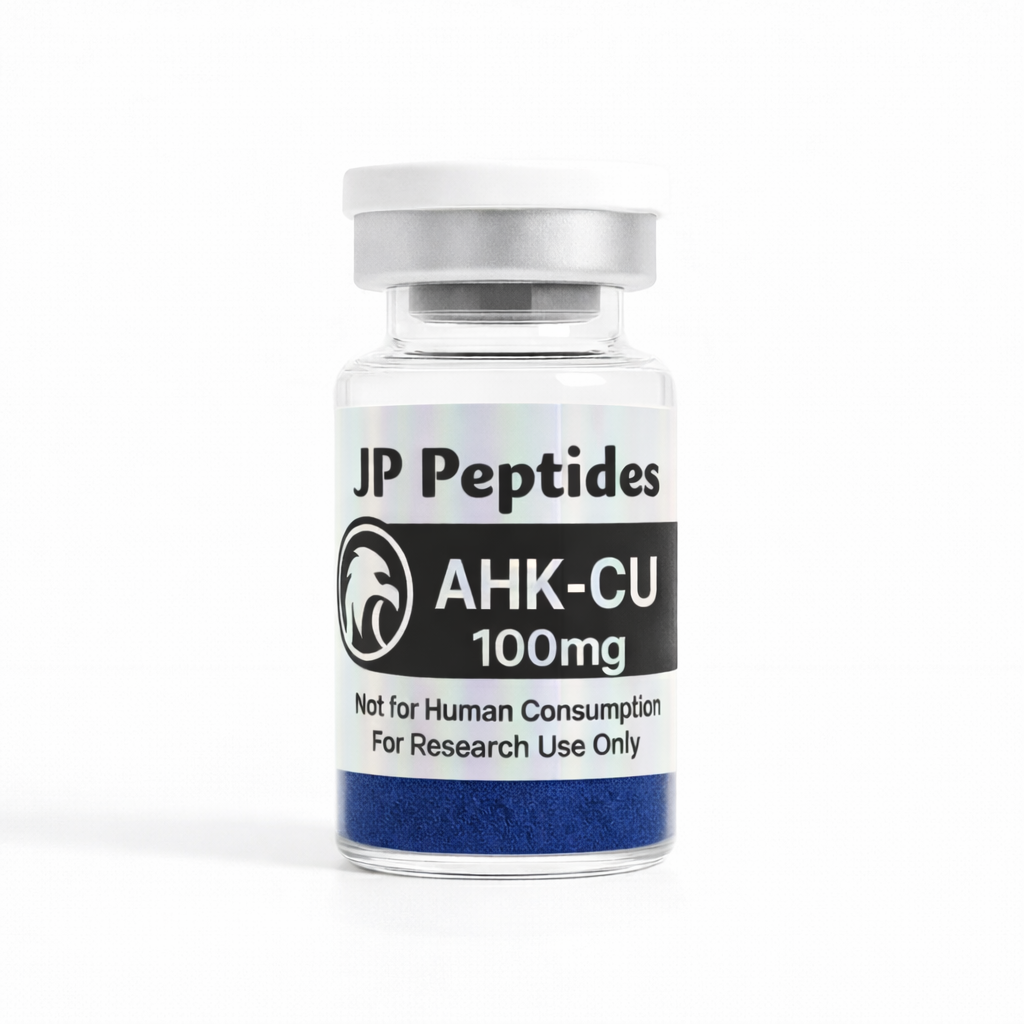
Research peptides are short chains of amino acids synthesized specifically for use in laboratory, analytical, and experimental research environments. Amino acids are the fundamental building blocks of proteins, and when linked together in defined sequences, they form peptides with unique chemical and structural properties.
In scientific research, peptides are valued for their precision. Their relatively small size and defined structure allow researchers to study targeted molecular interactions with a high degree of control. As a result, research peptides are widely used across multiple scientific disciplines.
It is essential to understand that research peptides are not pharmaceutical drugs and are not approved for human consumption. Ethical suppliers sell peptides strictly for research purposes and clearly communicate this distinction.
What Exactly Is a Peptide?
A peptide is formed when two or more amino acids are connected by peptide bonds. Peptides are smaller than proteins but can still play important roles in biological systems, making them valuable tools for scientific study.
Peptides can vary in:
- Length
- Amino acid composition
- Molecular weight
- Structural complexity
These variations allow researchers to study specific mechanisms in isolation, which is often difficult with larger, more complex molecules.
Why Peptides Are Widely Used in Research
Research peptides are commonly used because they allow scientists to explore biological and chemical processes with precision and repeatability.
Common research applications include:
- Molecular binding and interaction studies
- Structural biology and modeling
- Analytical method development
- Stability and degradation research
Because peptides can be synthesized to exact specifications, they help minimize variability and improve experimental reproducibility.
Research Peptides vs Pharmaceutical Products
One of the most common misconceptions is that research peptides are the same as pharmaceutical medications. This is not the case.
Pharmaceutical products:
- Are approved for human use
- Undergo clinical trials
- Are regulated under drug-specific frameworks
Research peptides:
- Are intended strictly for laboratory and experimental use
- Are not approved treatments
- Are used in pre-clinical or exploratory research
Reputable suppliers avoid medical claims and clearly label products as research-only.
How Research Peptides Are Synthesized
Most research peptides are produced using controlled chemical synthesis methods designed to ensure sequence accuracy and consistency.
Synthesis typically involves:
- Stepwise amino acid assembly
- Purification to remove byproducts
- Analytical testing to confirm identity and purity
The quality of synthesis directly affects peptide reliability in research applications.
The Importance of Purity and Consistency
Purity and consistency are critical factors in peptide research. Impurities or batch variations can introduce confounding variables that affect experimental outcomes.
Researchers typically evaluate:
- Reported purity percentages
- Batch-to-batch consistency
- Availability of third-party testing
- Transparent documentation
Reliable research depends on well-characterized materials.
Why Third-Party Testing Matters
Third-party testing provides independent verification of peptide identity and purity. A Certificate of Analysis (COA) allows researchers to confirm that a peptide matches its description.
COAs typically include:
- Peptide identity confirmation
- Purity assessment
- Testing methodology
- Batch or lot number
Without independent testing, purity claims remain unverified.
Understanding Research-Only Designation
The research-only designation exists to maintain ethical and legal boundaries. Research peptides are sold strictly for laboratory use and are not intended for ingestion, injection, or therapeutic purposes.
Responsible suppliers:
- Clearly state intended use
- Avoid dosage or administration guidance
- Do not make health-related claims
This protects both researchers and the integrity of scientific work.
What to Look for When Sourcing Research Peptides
When choosing a research peptide supplier, beginners should prioritize transparency over marketing language.
Key indicators of a reliable supplier include:
- Clear research-only disclaimers
- Batch-specific COAs
- Realistic purity claims
- Ethical marketing practices
These factors help ensure dependable research materials.
Common Misunderstandings About Research Peptides
New researchers are often exposed to misinformation online. Common misunderstandings include:
- Assuming all peptides are identical
- Believing higher price always means higher quality
- Confusing research peptides with approved drugs
Education and documentation help prevent these errors.
JP Peptides’ Approach to Research Peptide Sourcing
At JP Peptides, our focus is on supporting responsible research through transparency and consistency. We emphasize:
- Research-only peptide sourcing
- Third-party testing and documentation
- Ethical standards and clear communication
- Reliable fulfillment practices
Our goal is to provide researchers with dependable materials they can trust.
Conclusion
Research peptides are powerful tools for scientific exploration when used responsibly and sourced correctly. Understanding what research peptides are — and what they are not — helps researchers make informed decisions and maintain experimental integrity.
By prioritizing transparency, testing, and ethical standards, researchers can confidently work with peptides as part of legitimate scientific research.
We’re committed to quality, reliability, and your satisfaction—making every shopping experience easy, convenient, and trustworthy.
— Emma Larson