Introduction: Why Peptide Preparation Matters in Research
In laboratory research, consistency and stability are everything. Even small variations in material quality can introduce variables that affect data integrity, reproducibility, and interpretation. This is especially true when working with peptides, which are sensitive compounds that can degrade if not prepared and stored correctly.
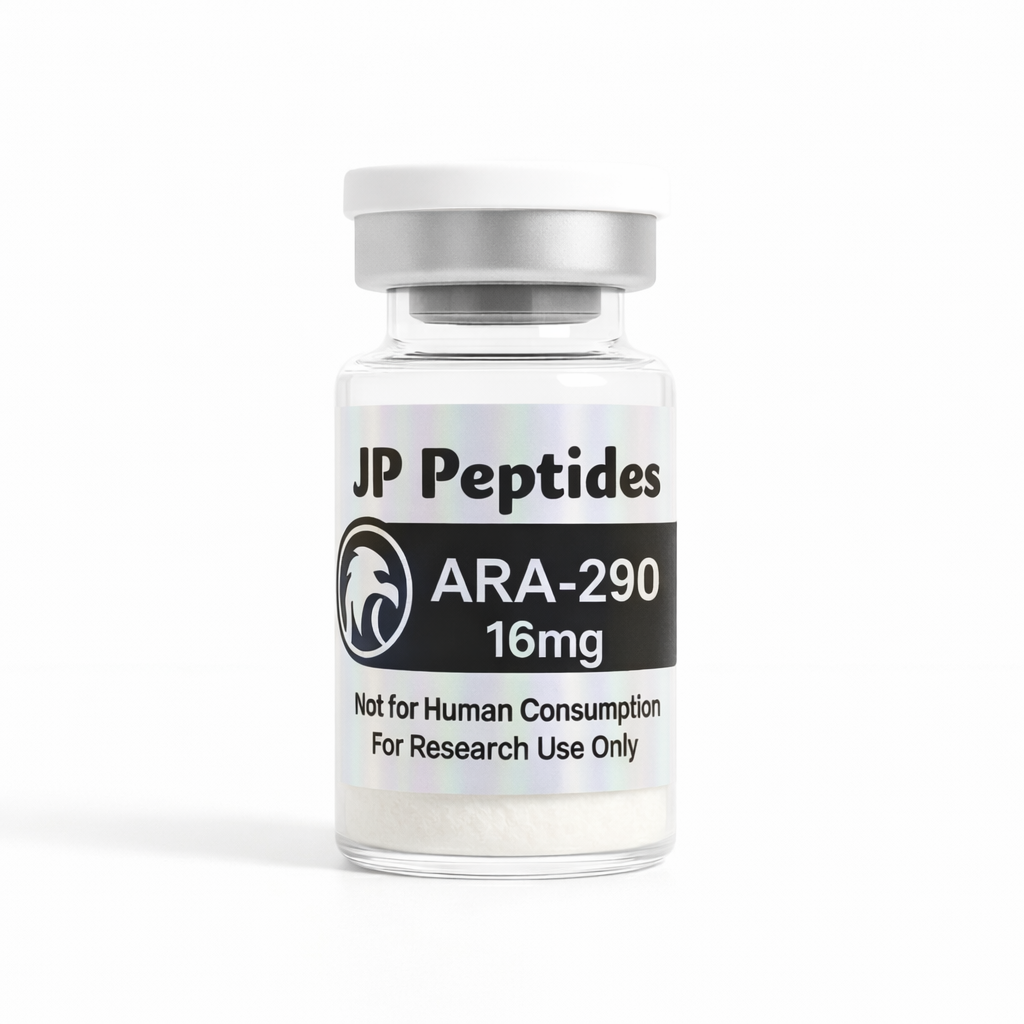
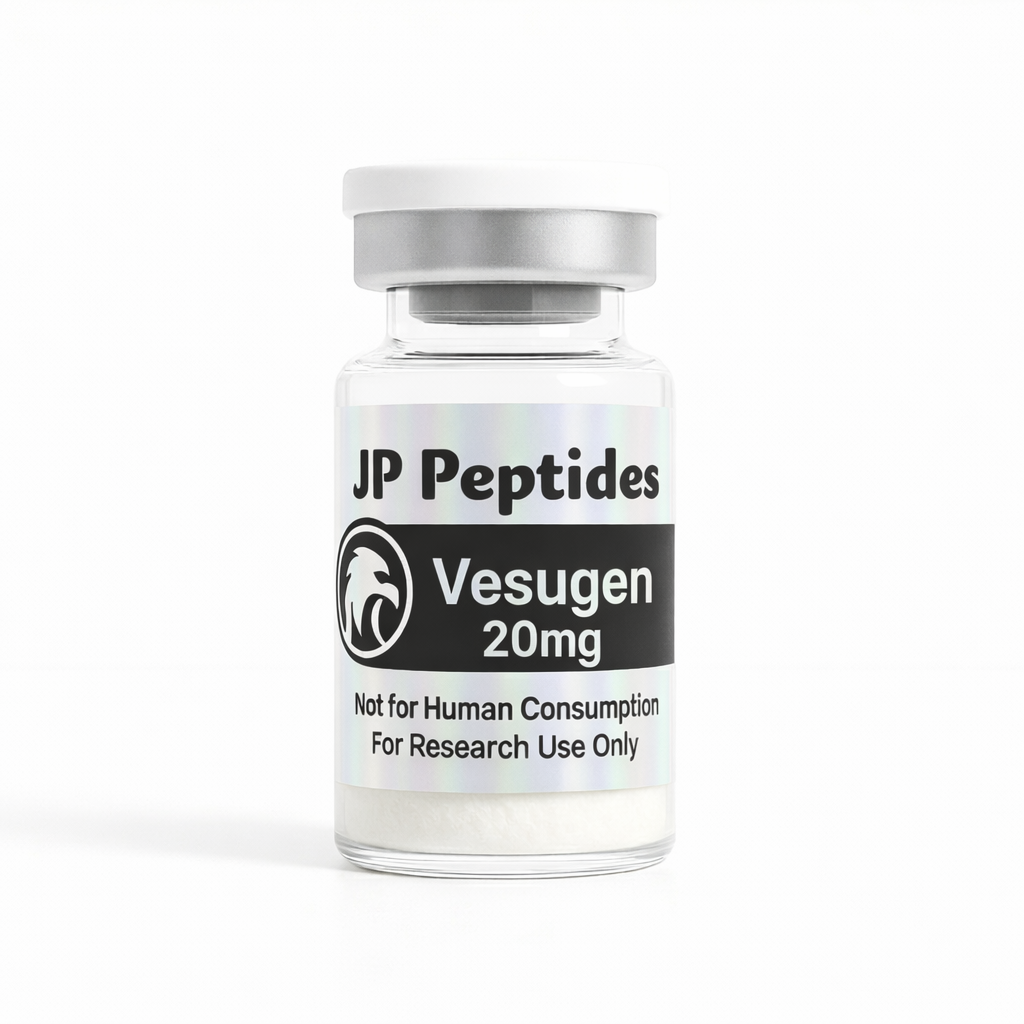
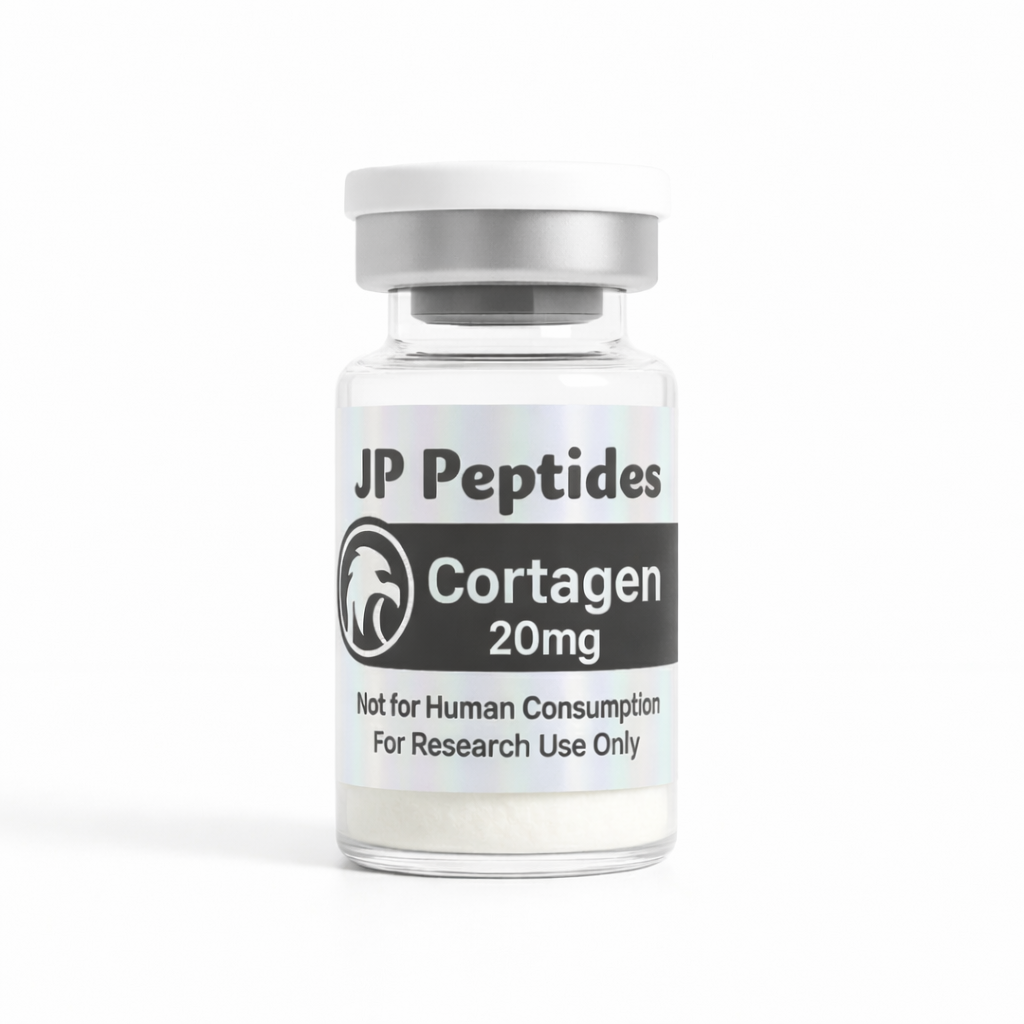
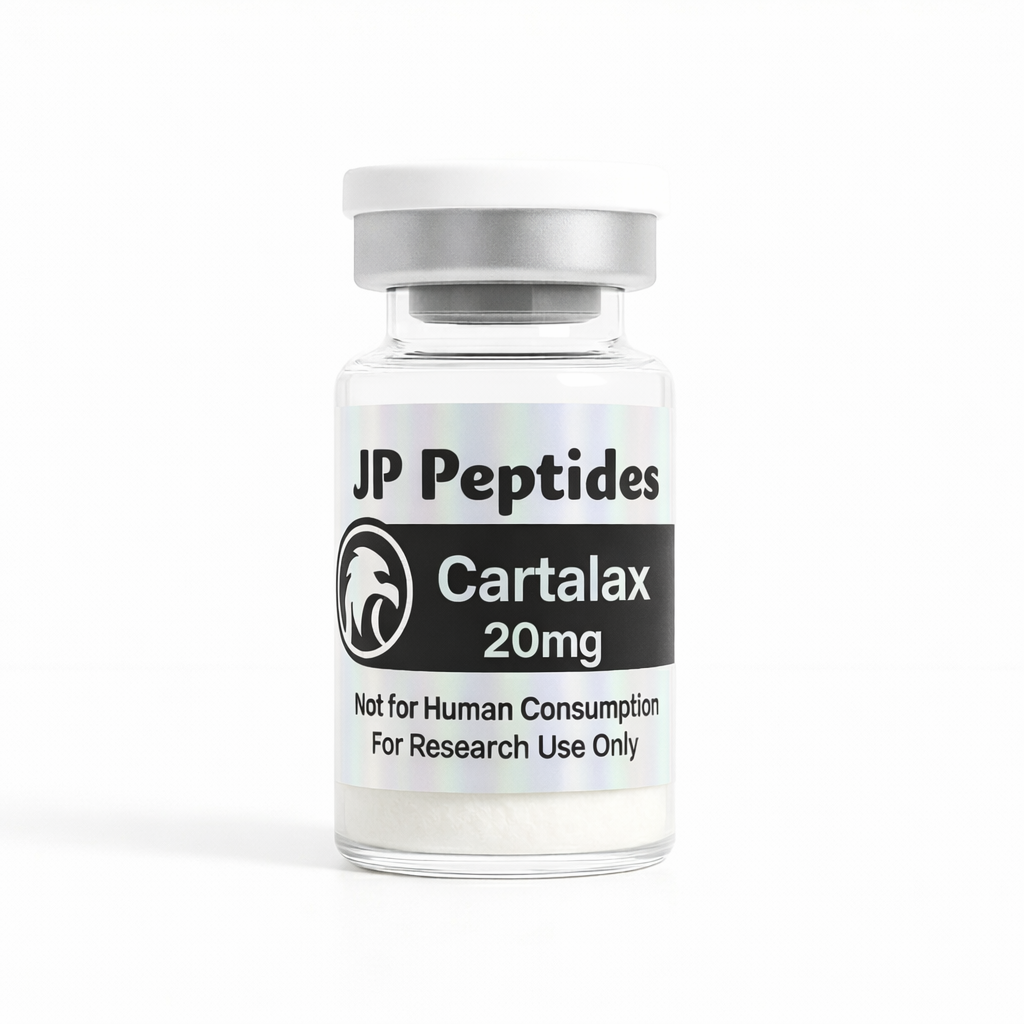
For this reason, most high-quality research peptides are supplied in lyophilized form, also known as freeze-dried peptides. Lyophilization has become the industry standard for peptide preparation because it maximizes stability, shelf life, and consistency while minimizing degradation risks.
Understanding what lyophilized peptides are — and why they are preferred — is essential for any researcher sourcing peptide materials.
What Are Lyophilized Peptides?
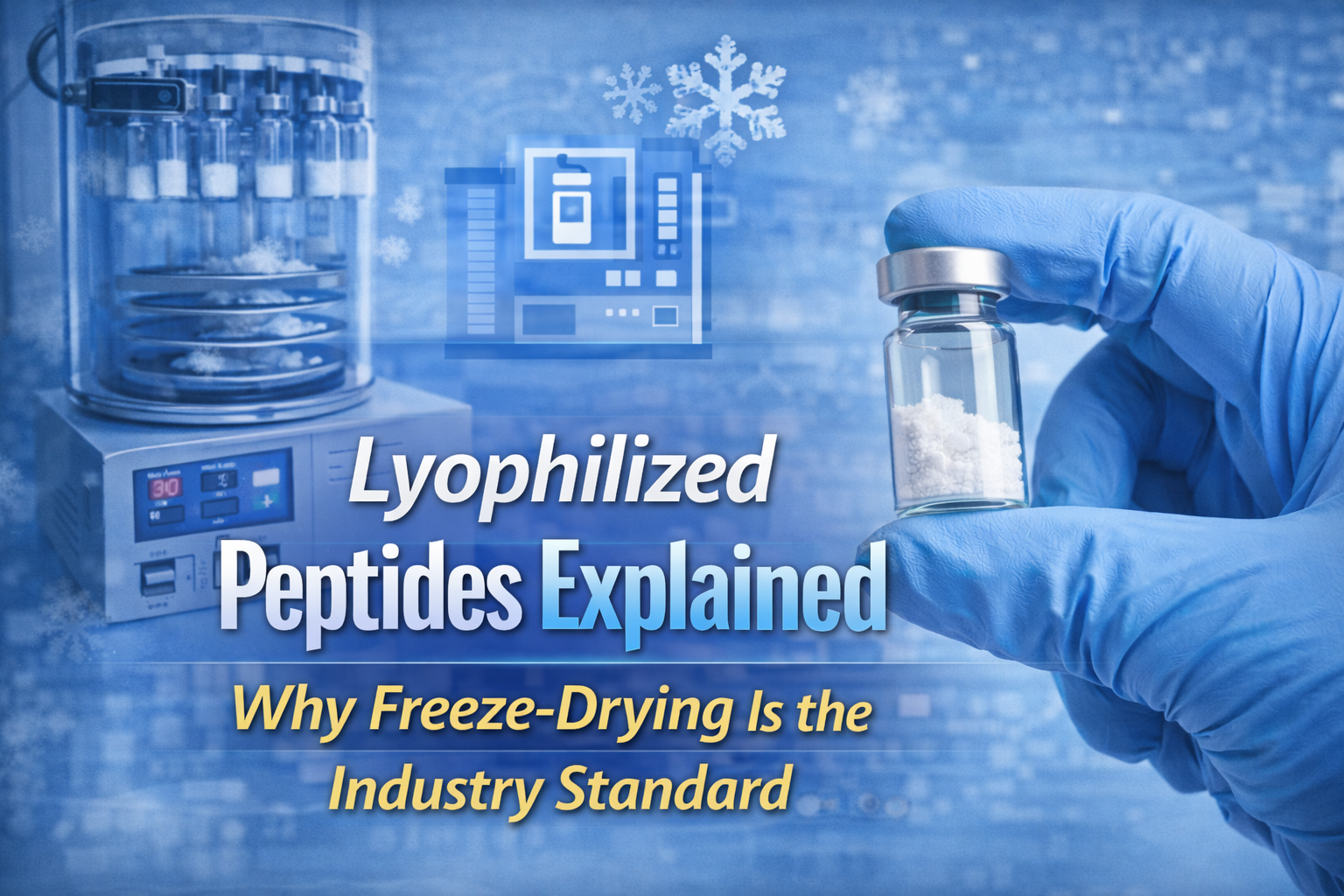
Lyophilized peptides are peptides that have undergone a specialized dehydration process called lyophilization, or freeze-drying. This process removes water from the peptide material while preserving its molecular structure.
Instead of being supplied as a liquid solution, lyophilized peptides are delivered as a dry, powder-like solid inside sealed vials. This format dramatically improves stability and allows peptides to be stored and transported with less risk of degradation.
Lyophilization is widely used across scientific fields, including:
- Biochemical research
- Pharmaceutical development
- Analytical chemistry
- Molecular biology
Its widespread adoption reflects its reliability and effectiveness.
What Is Lyophilization? Understanding the Freeze-Drying Process
Lyophilization is a multi-step process designed to remove water without exposing the compound to damaging heat or chemical stress.
The process typically includes three main stages:
1. Freezing
The peptide solution is rapidly frozen at very low temperatures. This step solidifies the water content without disrupting the peptide’s structure.
2. Primary Drying (Sublimation)
Under reduced pressure, frozen water transitions directly from solid ice to vapor — a process called sublimation. This removes the majority of the water while keeping the peptide intact.
3. Secondary Drying (Desorption)
Any remaining bound moisture is gently removed, resulting in a highly dry, stable product with minimal residual water content.
This controlled process ensures the peptide maintains its integrity while achieving maximum stability.
Why Water Is the Enemy of Peptide Stability
Moisture is one of the primary causes of peptide degradation. Water can:
- Promote hydrolysis
- Accelerate chemical reactions
- Facilitate oxidation
- Increase microbial risk
In liquid form, peptides are significantly more vulnerable to these processes. Even under refrigeration, degradation can occur over time if moisture is present.
By removing water almost entirely, lyophilization dramatically slows these unwanted reactions, preserving the peptide’s structure and consistency.
Benefits of Lyophilized Peptides in Research Settings
Lyophilized peptides offer several critical advantages that make them the preferred choice for laboratory research.
Enhanced Stability
Without water, peptides remain chemically stable for longer periods when stored correctly. This reduces degradation and helps maintain consistent experimental conditions.
Improved Shelf Life
Lyophilized peptides generally have a longer shelf life than liquid formulations, making them more practical for long-term research projects.
Reduced Variability
Stable materials lead to more reproducible results. Using lyophilized peptides minimizes variability introduced by degradation or concentration changes over time.
Ease of Storage and Transport
Dry peptides are less sensitive to temperature fluctuations during shipping and storage, reducing the risk of damage during transit.
Lyophilized Peptides vs Liquid Peptides
While liquid peptide solutions may seem convenient, they present several challenges in research environments.
Liquid Peptides
- More prone to degradation
- Shorter shelf life
- Greater sensitivity to temperature changes
- Higher risk of contamination
Lyophilized Peptides
- Significantly more stable
- Longer shelf life
- Easier to store and transport
- Greater control over experimental preparation
For these reasons, most professional research laboratories strongly prefer lyophilized peptide formats.
Reconstitution and Research Control
One of the advantages of lyophilized peptides is that researchers maintain full control over reconstitution according to their specific experimental protocols.
By starting with a dry, stable powder, researchers can:
- Control solvent choice
- Define concentration precisely
- Minimize handling variables
- Prepare only what is needed for each experiment
This flexibility is critical for maintaining consistency across studies and avoiding unnecessary waste.
Packaging and Vacuum Sealing
Proper packaging is essential to protect lyophilized peptides. High-quality suppliers package peptides in sealed vials designed to prevent moisture ingress and environmental exposure.
Vacuum-sealed vials help:
- Preserve dryness
- Protect against oxidation
- Maintain product integrity during shipping
Once a seal is broken, exposure to air and humidity should be minimized to preserve stability.
Why Lyophilization Is the Industry Standard
Lyophilization is not a marketing choice — it is a scientific necessity. Its adoption across pharmaceutical research, biotechnology, and analytical laboratories reflects decades of proven reliability.
The benefits of freeze-drying are well-documented:
- Preserves molecular structure
- Maximizes stability
- Reduces degradation risk
- Supports reproducible research
Any supplier serious about research quality understands the importance of lyophilization.
What Researchers Should Look For in Lyophilized Peptides
When sourcing lyophilized peptides, researchers should look for:
- Clear labeling indicating lyophilized form
- Batch or lot identification
- Third-party testing documentation
- Proper packaging and seals
Transparency and documentation are key indicators of a trustworthy supplier.
JP Peptides’ Commitment to Quality and Stability
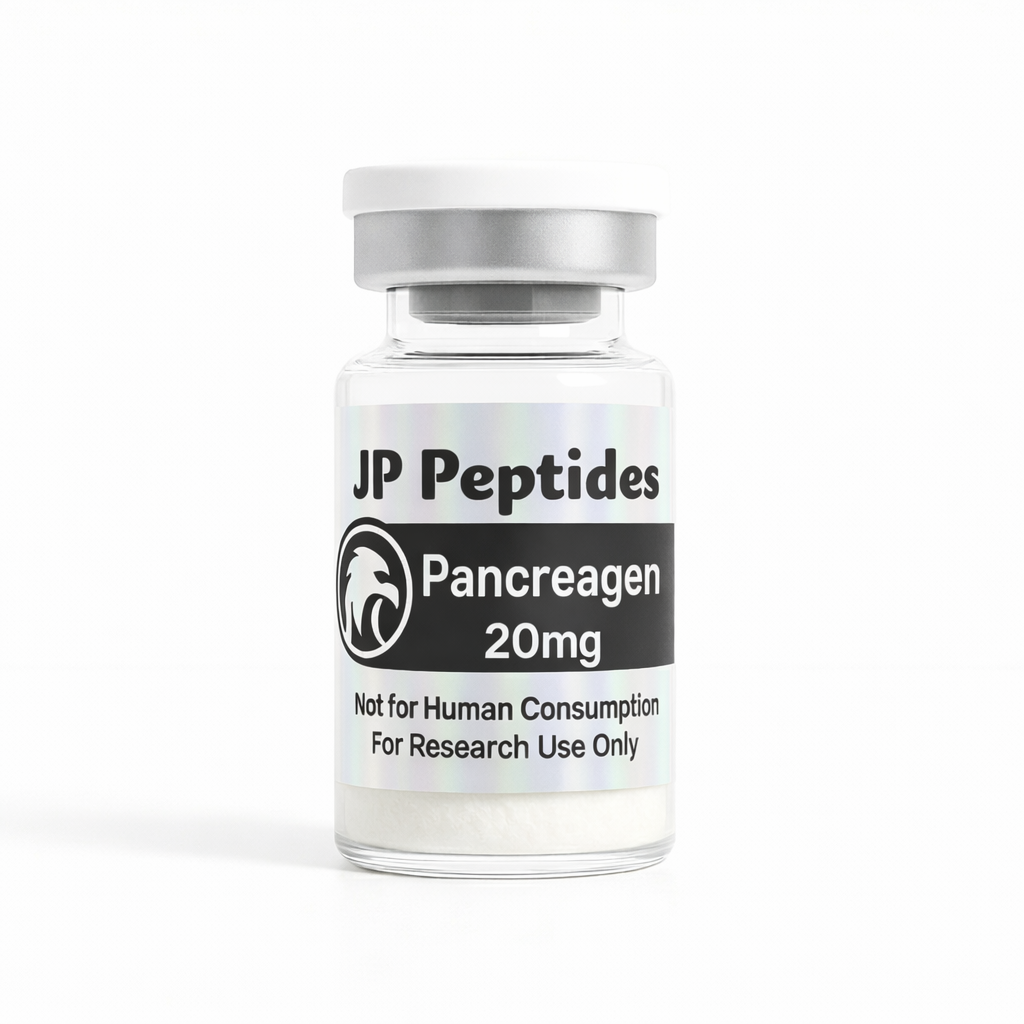
At JP Peptides, lyophilization is a core quality standard — not an optional feature. All peptides are supplied in lyophilized form to support stability, consistency, and reliable research outcomes.
We prioritize:
- Proper freeze-drying methods
- Secure packaging
- Batch-specific documentation
- Research-only compliance
By focusing on preparation quality and transparency, JP Peptides supports responsible research without unnecessary variables or compromises.
Conclusion
Lyophilized peptides represent the gold standard for research use. By removing moisture while preserving molecular structure, freeze-drying delivers the stability, shelf life, and consistency that serious research demands.
For researchers who value accuracy, reproducibility, and integrity, understanding — and choosing — lyophilized peptides is essential.
We’re committed to quality, reliability, and your satisfaction—making every shopping experience easy, convenient, and trustworthy.
— Emma Larson