Introduction: Why Peptide Storage Matters
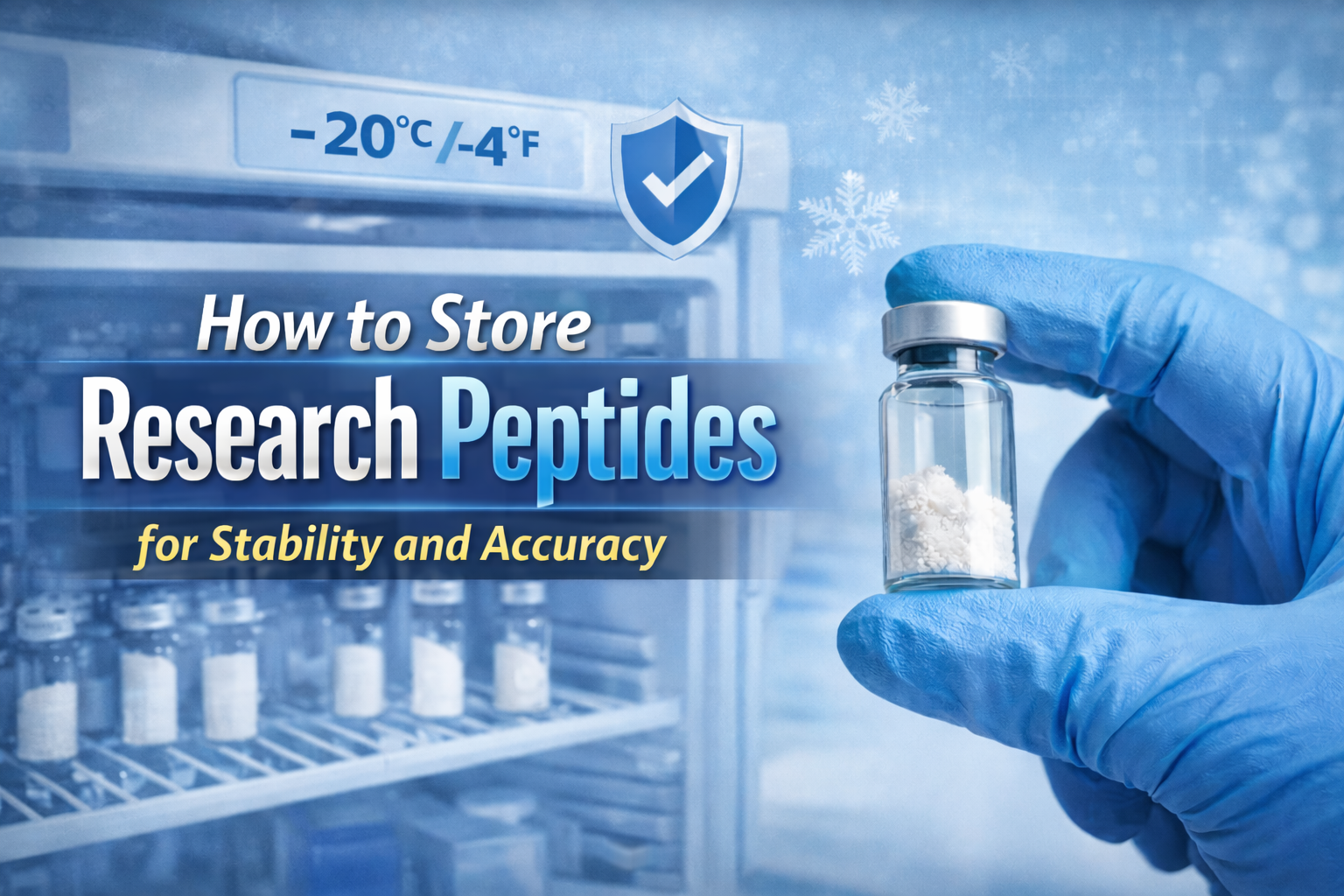
In peptide research, quality does not end at synthesis or testing. How a peptide is stored after production plays a significant role in its long-term stability and performance in laboratory experiments. Improper storage can introduce degradation that alters molecular structure and affects experimental reliability.
Researchers who understand and apply proper storage practices help preserve peptide integrity, reduce experimental variability, and support reproducible scientific results.
Understanding Peptide Stability
Peptides are sensitive compounds. Their stability can be influenced by environmental factors such as moisture, temperature, light exposure, and oxygen. Even minimal exposure to unfavorable conditions can accelerate chemical reactions that compromise peptide structure.
Maintaining stability requires controlling these variables from the moment a peptide is received through its use in research.
Why Moisture Is the Primary Threat to Peptide Integrity
Moisture is one of the most significant contributors to peptide degradation. Water can promote:
- Hydrolysis of peptide bonds
- Oxidation reactions
- Structural breakdown
For this reason, most research peptides are supplied in lyophilized (freeze-dried) form, which minimizes water content and improves stability.
Recommended Storage Conditions for Research Peptides
While specific storage requirements may vary depending on the peptide, general best practices include:
- Store peptides in a cool, dry environment
- Protect vials from direct light exposure
- Avoid areas with temperature fluctuations
- Keep vials sealed until use
Following consistent storage conditions helps maintain peptide quality over time.
The Role of Temperature in Peptide Storage
Temperature stability is critical. Repeated warming and cooling cycles can stress peptide structures and accelerate degradation.
Best practices include:
- Avoiding unnecessary temperature changes
- Using consistent storage locations
- Minimizing time peptides spend at room temperature
Controlled temperature environments support long-term stability.
Why Lyophilized Peptides Store Better Than Liquids
Lyophilized peptides offer several advantages when it comes to storage:
- Reduced moisture exposure
- Greater resistance to degradation
- Longer shelf life
- Easier long-term storage
Liquid peptide solutions are inherently less stable and more sensitive to environmental changes.
Packaging and Its Impact on Storage Stability
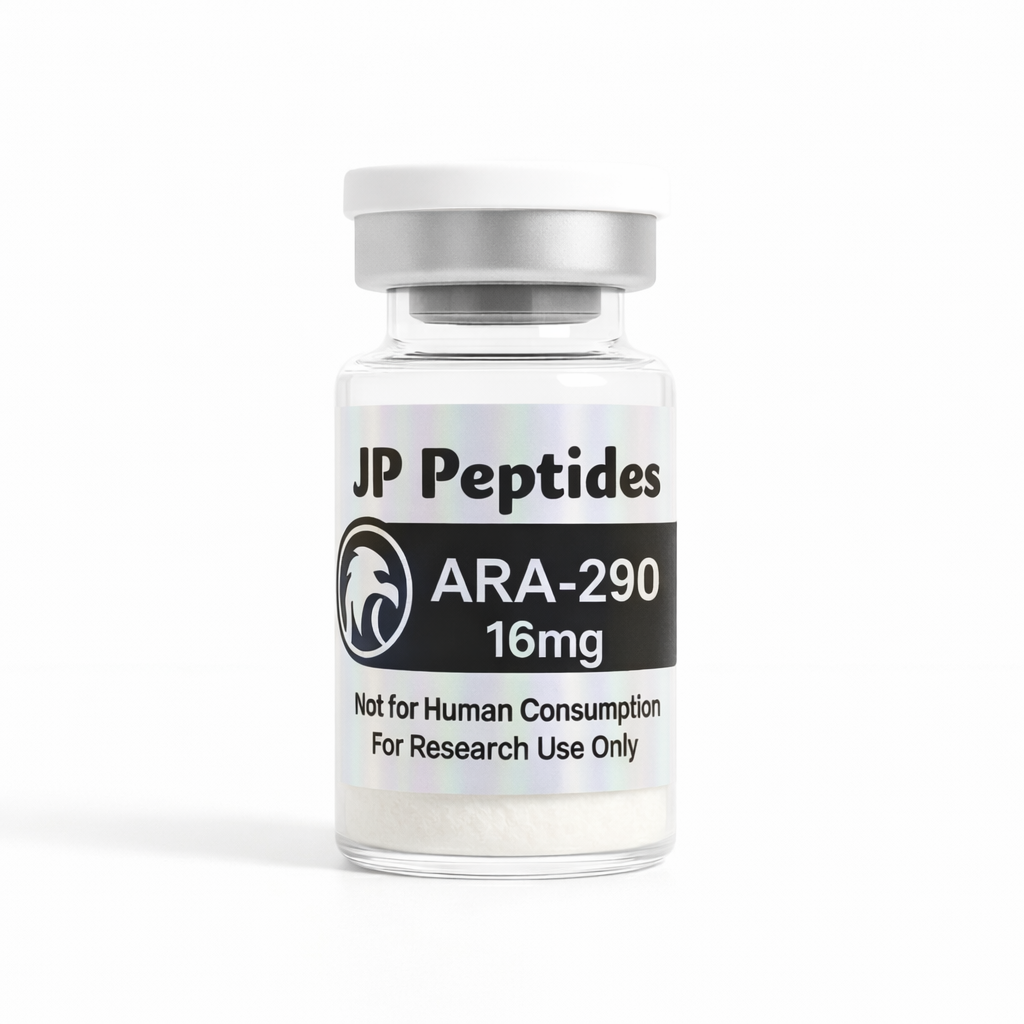
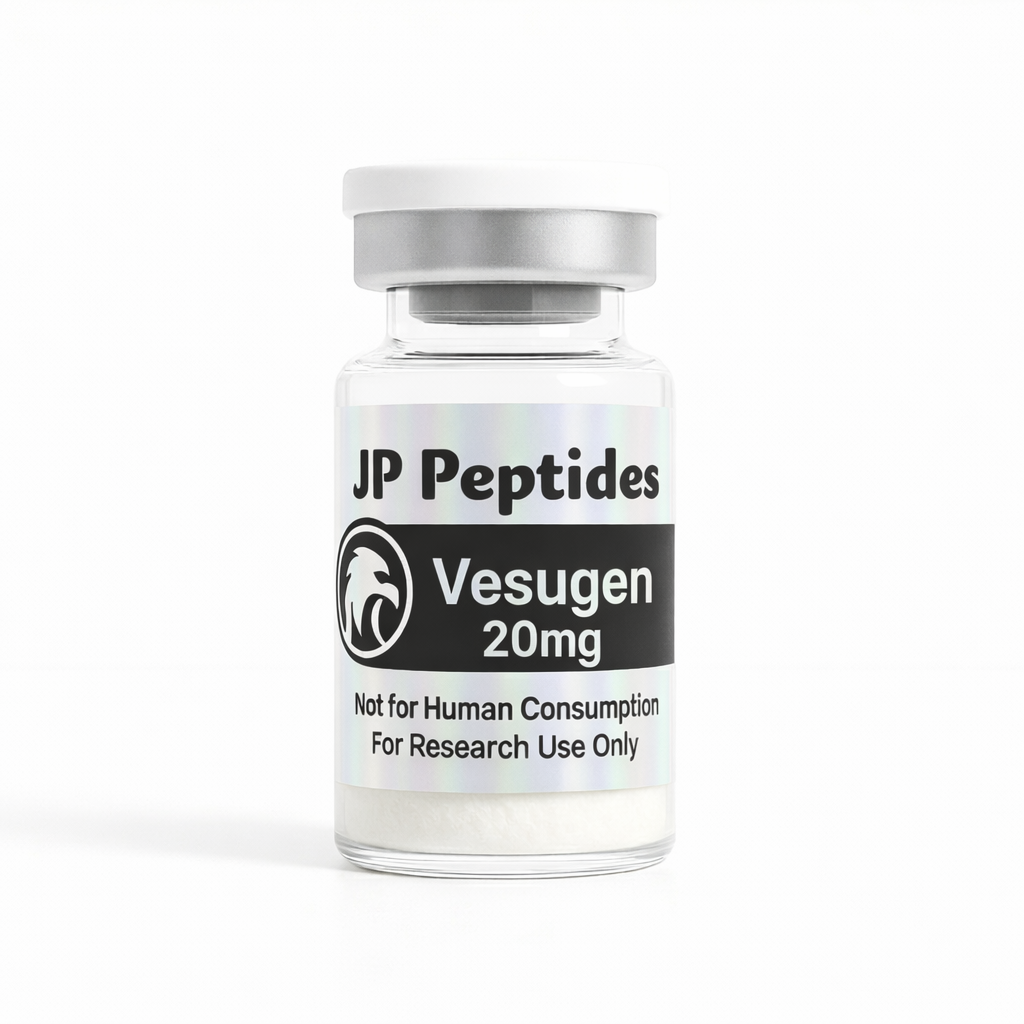
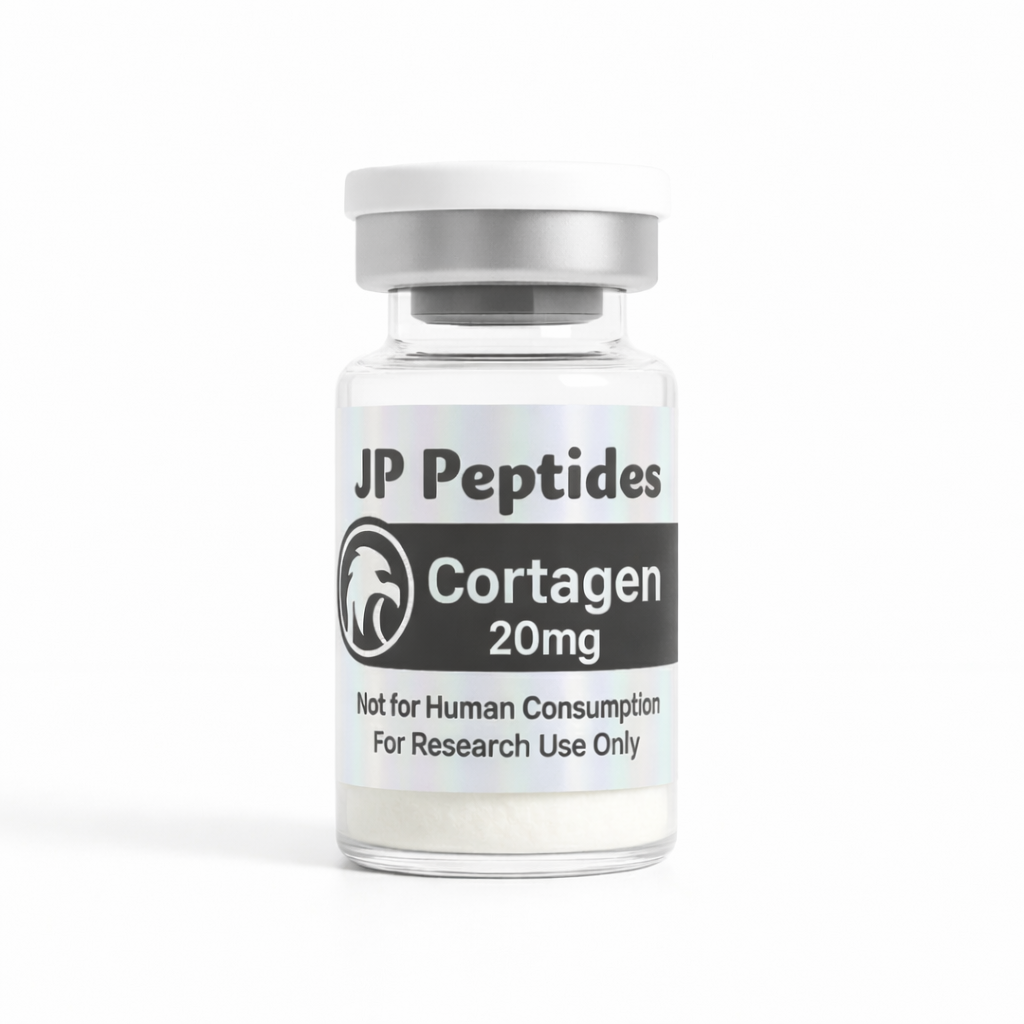
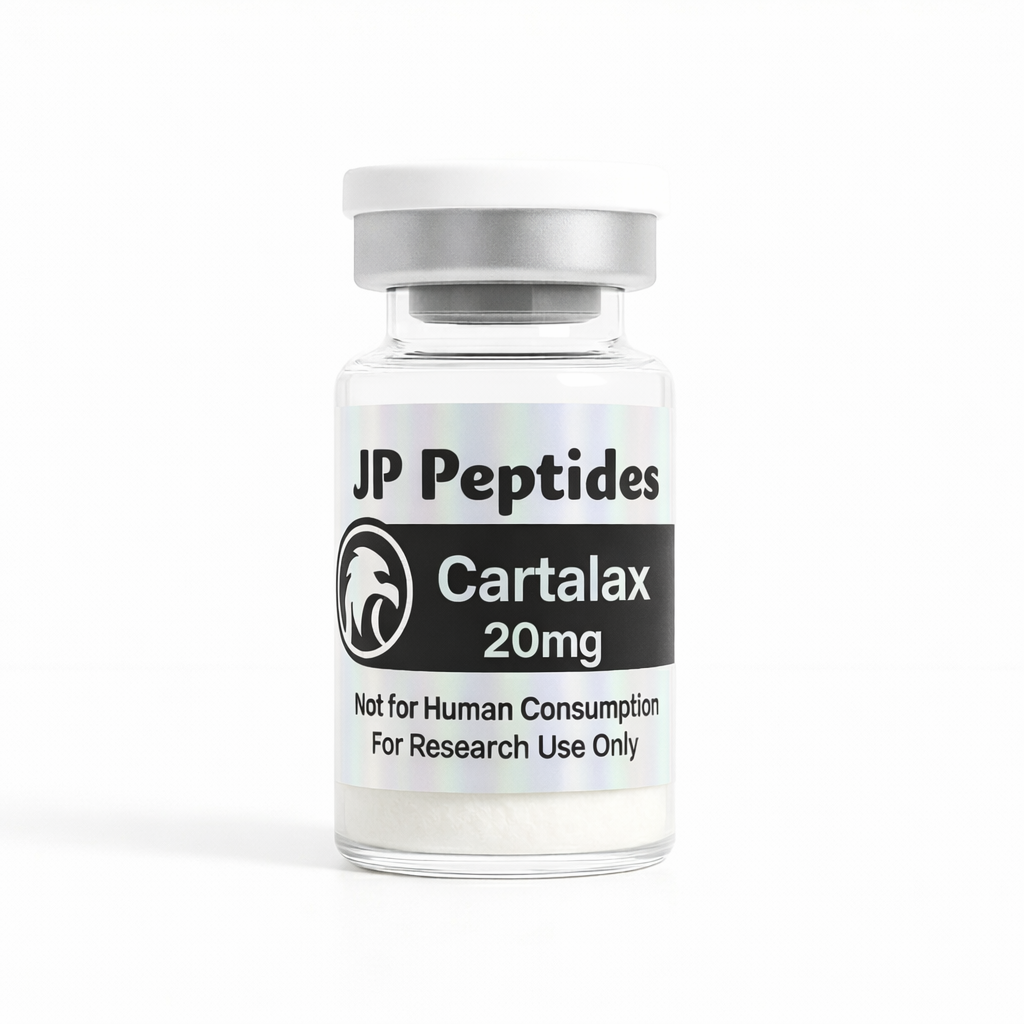
Packaging plays a critical role in maintaining peptide integrity. High-quality suppliers use packaging designed to prevent moisture ingress and environmental exposure.
Effective packaging features include:
- Airtight or vacuum-sealed vials
- Moisture-resistant materials
- Protective outer packaging
Once packaging is compromised, stability may be reduced.
Handling Practices That Preserve Peptide Quality
Handling peptides carefully helps prevent unnecessary exposure to air, moisture, and contaminants.
Best handling practices include:
- Minimizing vial opening time
- Using clean, controlled environments
- Avoiding repeated exposure to ambient conditions
Consistent handling supports reliable research outcomes.
Common Storage Mistakes to Avoid
Researchers should be aware of common errors that can compromise peptide stability:
- Leaving vials open unnecessarily
- Storing peptides in humid environments
- Exposing peptides to direct light
- Allowing repeated temperature fluctuations
Avoiding these mistakes helps preserve peptide integrity.
Documentation and Storage Tracking
Proper storage should be documented as part of good laboratory practice. Tracking storage conditions supports:
- Experimental reproducibility
- Troubleshooting discrepancies
- Long-term research consistency
Documentation reinforces responsible research standards.
What Researchers Should Look for in a Supplier’s Storage Standards
Supplier practices influence how peptides arrive and how they should be stored. Researchers should look for:
- Clear storage recommendations
- Secure packaging
- Stable shipping conditions
- Transparent documentation
These factors reflect a supplier’s understanding of peptide stability.
JP Peptides’ Commitment to Stability and Quality
At JP Peptides, peptide stability is treated as a priority. We focus on:
- Supplying lyophilized research peptides
- Secure, moisture-resistant packaging
- Clear handling and storage guidance
- Ethical research-only standards
Our goal is to support accurate, reliable research through responsible sourcing and handling.
Conclusion
Proper storage is essential for preserving the quality and reliability of research peptides. By understanding how environmental factors affect stability and following best practices for storage and handling, researchers can minimize degradation and support reproducible scientific results.
Responsible storage is a critical component of successful peptide research.
We’re committed to quality, reliability, and your satisfaction—making every shopping experience easy, convenient, and trustworthy.
— Emma Larson